Archives
- 2026-05
- 2026-04
- 2026-03
- 2026-02
- 2026-01
- 2025-12
- 2025-11
- 2025-10
- 2025-09
- 2025-03
- 2025-02
- 2025-01
- 2024-12
- 2024-11
- 2024-10
- 2024-09
- 2024-08
- 2024-07
- 2024-06
- 2024-05
- 2024-04
- 2024-03
- 2024-02
- 2024-01
- 2023-12
- 2023-11
- 2023-10
- 2023-09
- 2023-08
- 2023-06
- 2023-05
- 2023-04
- 2023-03
- 2023-02
- 2023-01
- 2022-12
- 2022-11
- 2022-10
- 2022-09
- 2022-08
- 2022-07
- 2022-06
- 2022-05
- 2022-04
- 2022-03
- 2022-02
- 2022-01
- 2021-12
- 2021-11
- 2021-10
- 2021-09
- 2021-08
- 2021-07
- 2021-06
- 2021-05
- 2021-04
- 2021-03
- 2021-02
- 2021-01
- 2020-12
- 2020-11
- 2020-10
- 2020-09
- 2020-08
- 2020-07
- 2020-06
- 2020-05
- 2020-04
- 2020-03
- 2020-02
- 2020-01
- 2019-12
- 2019-11
- 2019-10
- 2019-09
- 2019-08
- 2018-07
-
The current antifungal pipeline contains several categories
2024-06-04
The current antifungal pipeline contains several categories of compounds at different stages of development [1], [9], [10], [96]. In Table 1 we summarize the most promising antifungal molecules that are in preclinical and in clinical development. Several compounds in the pipeline are derivatives of
-
In light of several reports
2024-06-04
In light of several reports of defects in memory-related tasks for the dysbindin-deficient mice (Cox et al., 2009, Takao et al., 2008), it was rather unexpected that an enhancement of CA3–CA1 LTP was observed in our investigation as well as in another independent study (T.T. Tang et al., 2009). The
-
Our results add to previously
2024-06-03
Our results add to previously published data on the contribution of ALDH3A1 to the optical properties of the cornea. Specifically, the study by Nees et al. (2002) was among the first to examine whether ALDH3A1 serves as a structural component in the cornea and similarly to lens crystallins. Their ex
-
br AhR Modulators It is now well
2024-06-03

AhR Modulators It is now well recognized that ligand-activated AhR induces an immune tolerance response by acting directly on the antigen-presenting DCs and indirectly by increasing the population of immunosuppressive Tregs 24, 95, 96. In addition to inhibiting the formation or depleting the AhR
-
br Transparency document br Introduction G protein coupled r
2024-06-03
Transparency document Introduction G protein-coupled receptors (GPCRs) comprise a diverse family of seven transmembrane domain-containing receptors represented by over 800 genes in humans. GPCRs respond to a range of stimuli, including peptides, hormones, growth factors, lipids, odorants, and
-
Mouse iPSC Chemical Reprogramming Cocktails Kit The difficul
2024-06-03
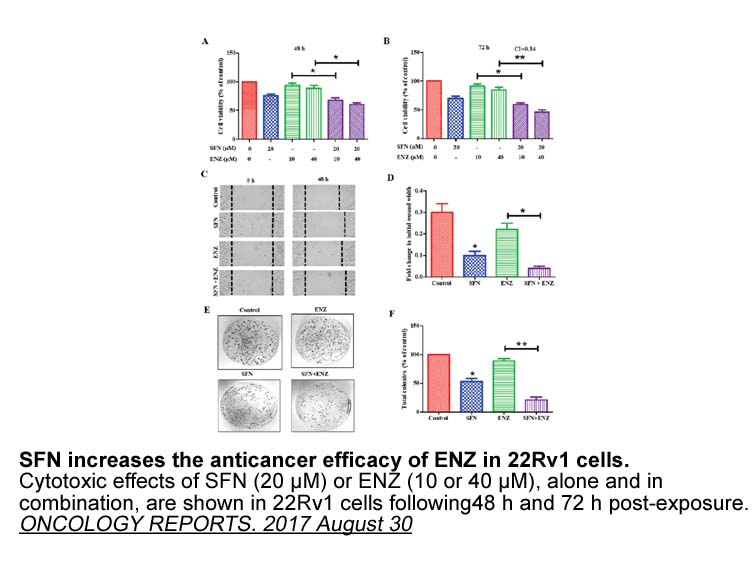
The difficulty of characterizing nAChRs in the central nervous system is also exemplified by early observations that nicotine caused no detectable effect when applied on a brain slice and it is only with the focal and high time resolution of more recent experiments that the effects of nicotinic neur
-
br Funding br Introduction l Dihydroxyphenylalanine l
2024-06-03

Funding Introduction l-3,4-Dihydroxyphenylalanine (l-DOPA) is the gold-standard treatment for the motor symptoms of Parkinson's disease (PD); however, its chronic use induces severe motor complications that eventually limit its long-term efficacy (Bastide et al., 2015). The most disabling side
-
br Conflict of interest br Acknowledgments This work was
2024-06-03
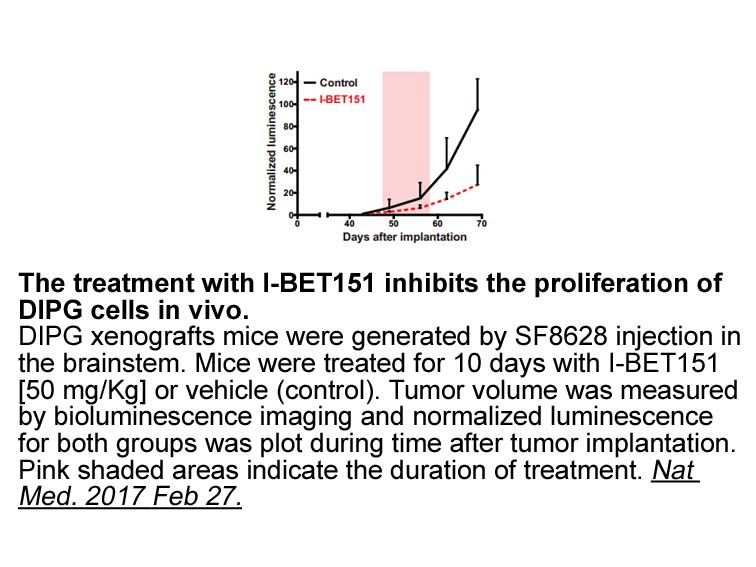
Conflict of interest Acknowledgments This work was been partially supported by the following grants: C.I.S.I.A. project (Innovazione e Sviluppo del Mezzogiorno—Conoscenze Integrate per Sostenibilità ed Innovazione del Made in Italy Agroalimentare—Legge 191/2009) from the Italian Ministry of Ec
-
The amino hydroxy methyl isoxazolepropionic acid
2024-06-03
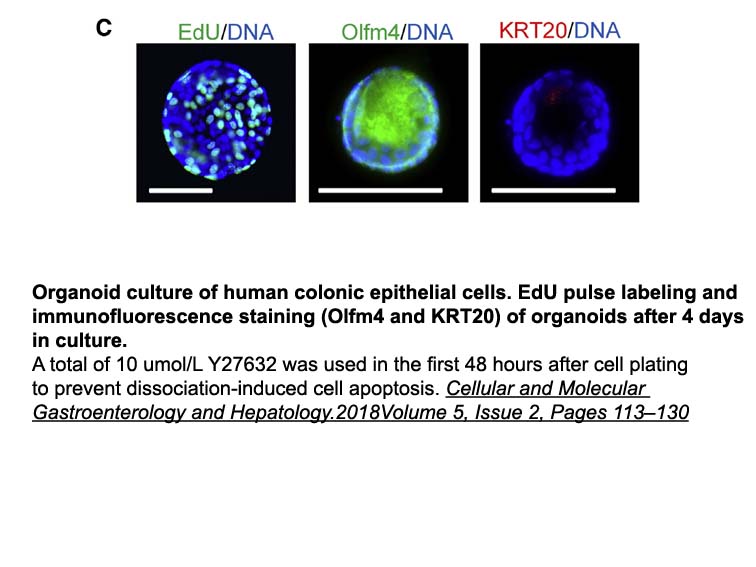
The α-amino-3-hydroxy-5-methyl-4-isoxazolepropionic Isochlorogenic acid A (AMPA) receptor is also enriched in postsynaptic striatal neurons (Bernard et al., 1997, Kondo et al., 2000, Reimers et al., 2011). Its activity is subjected to the regulation by a mechanism involving phosphorylation (Lu and R
-
Compound was synthesized by reacting
2024-06-03
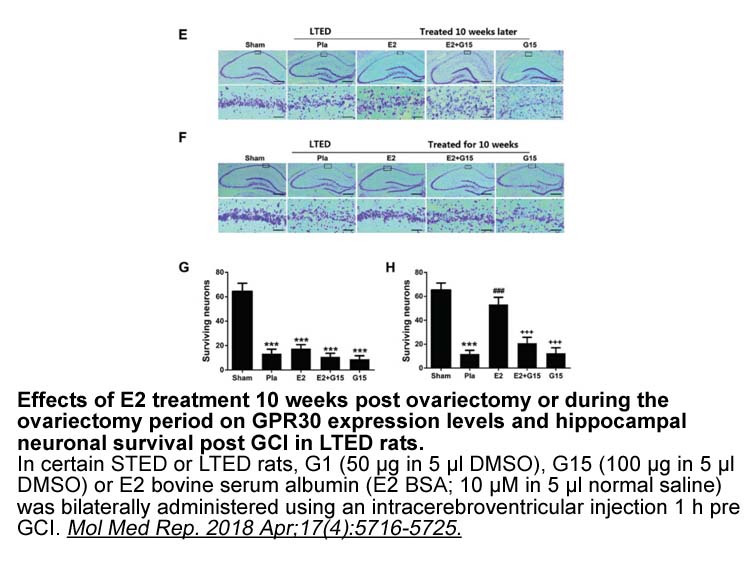
Compound 31 was synthesized by reacting 5-amino-2-methoxybenzoate (28) with ethanesulfonyl chloride in the presence of pyridine in DCM to give sulfonamide 29. Hydrolysis of 29 by aqueous sodium hydroxide afforded the apigenin 30 which was converted to the acid chloride by heating in thionyl chlorid
-
In a study highlighted the
2024-06-03
In 2010, a study highlighted the usefulness of arginase-1 as a sensitive and specific marker of hepatocytic differentiation for diagnostic pathology [9]. Subsequent studies have validated the high sensitivity and specificity of arginase-1, in particular its added value in evaluating poorly different
-
Because antioxidants have a strong radical scavenging effici
2024-06-03
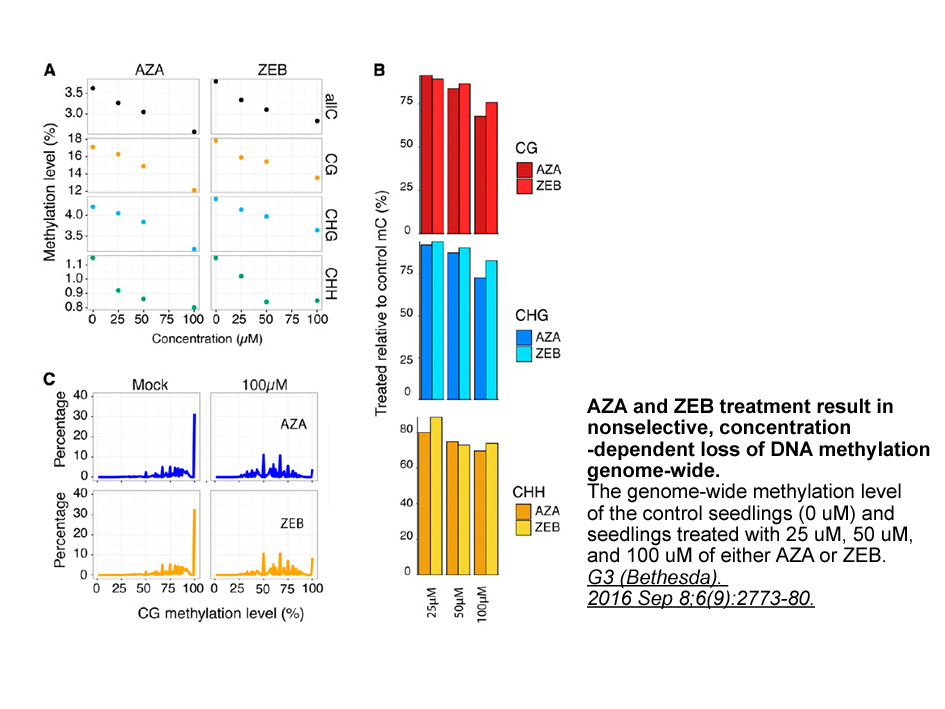
Because antioxidants have a strong radical scavenging efficiency, a mixture of H2O2 and antioxidants should exhibit a much weaker depolymerization process than H2O2 alone. Therefore, we expected the redox behavior of silver could be affected by the presence of the antioxidant. The schematic diagram
-
br Conclusions br Introduction In the modern life of humans
2024-05-31
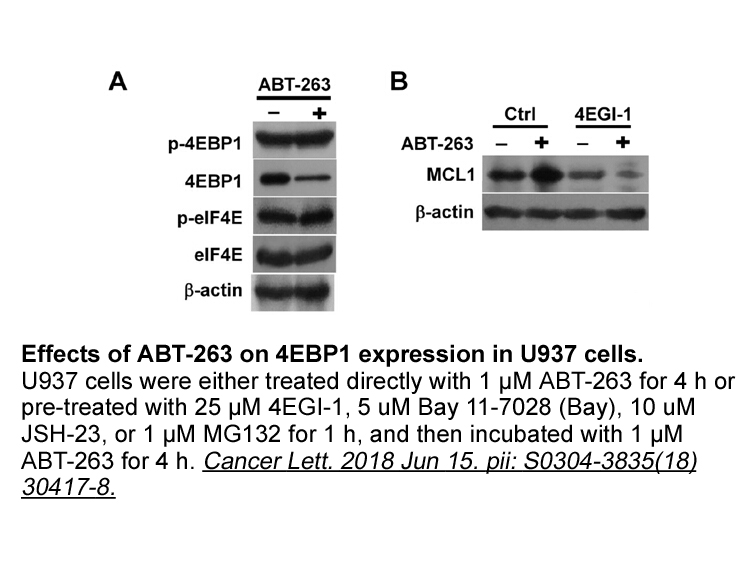
Conclusions Introduction In the modern life of humans, THZ2 receptor are widely prescribed for therapy against bacterial diseases to prevent the onset of bacterial infections during a viral disease (Goossens et al., 2005; Van Boeckel et al., 2014). They have been massively administered and per
-
Several studies have explored the relationship between denta
2024-05-31

Several studies have explored the relationship between dental implants and MRONJ development. López-Cedrún JL et al. [13] reported that BRONJ developed after implant treatment in nine patients who were taking bisphosphonates orally. The mean interval between the initiation of treatment and the onset
-
In this study we have generated new FRET reporters to
2024-05-31
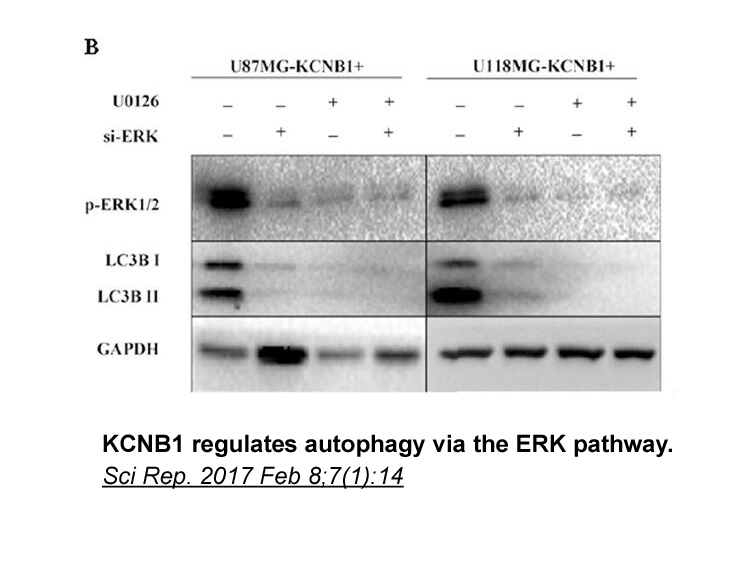
In this study, we have generated new FRET reporters to screen all submembrane domains of AT1R for interactions with CaM. We identified a new CaM-binding domain on the receptor’s SMD2 (a.a. 125 – 141), confirmed interactions at SMD4JM (a.a. 309 – 327) and characterized the full interacting domain in
14550 records 161/970 page Previous Next First page 上5页 161162163164165 下5页 Last page