Archives
- 2026-11
- 2026-10
- 2026-09
- 2026-08
- 2026-07
- 2026-06
- 2026-05
- 2026-04
- 2026-03
- 2026-02
- 2026-01
- 2025-12
- 2025-11
- 2025-10
- 2025-09
- 2025-03
- 2025-02
- 2025-01
- 2024-12
- 2024-11
- 2024-10
- 2024-09
- 2024-08
- 2024-07
- 2024-06
- 2024-05
- 2024-04
- 2024-03
- 2024-02
- 2024-01
- 2023-12
- 2023-11
- 2023-10
- 2023-09
- 2023-08
- 2023-06
- 2023-05
- 2023-04
- 2023-03
- 2023-02
- 2023-01
- 2022-12
- 2022-11
- 2022-10
- 2022-09
- 2022-08
- 2022-07
- 2022-06
- 2022-05
- 2022-04
- 2022-03
- 2022-02
- 2022-01
bestatin br Introduction Metabolic cues are crucial inputs i
2024-01-03
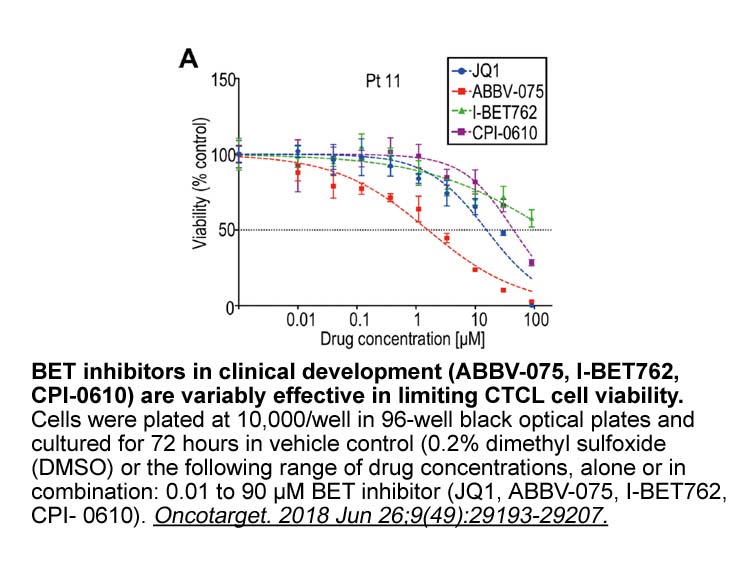
Introduction Metabolic cues are crucial inputs in dictating acute responses through governing cellular signaling pathways as well as in shaping up long-term transcriptional and epigenetic profiles to control chronic cellular responses (Lu and Thompson, 2012). It has been well documented that meta
According to their structures and substrate
2024-01-03
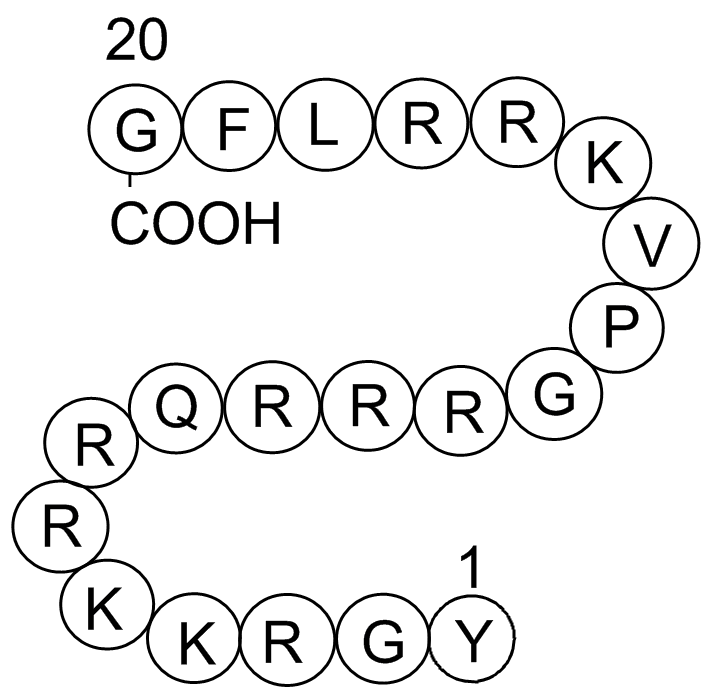
According to their structures and substrate specificity, MMPs are divided into five major groups: collagenases (e.g., MMP1), gelatinases (e.g., MMP2, MMP9), stromelysins (e.g., MMP3, MMP10), matrilysins (e.g., MMP7), and membrane-type MMPs [7]. Among them, MMP1 is a major collagenase that degrades t
Considering the physicochemical stability results on Fig
2024-01-02
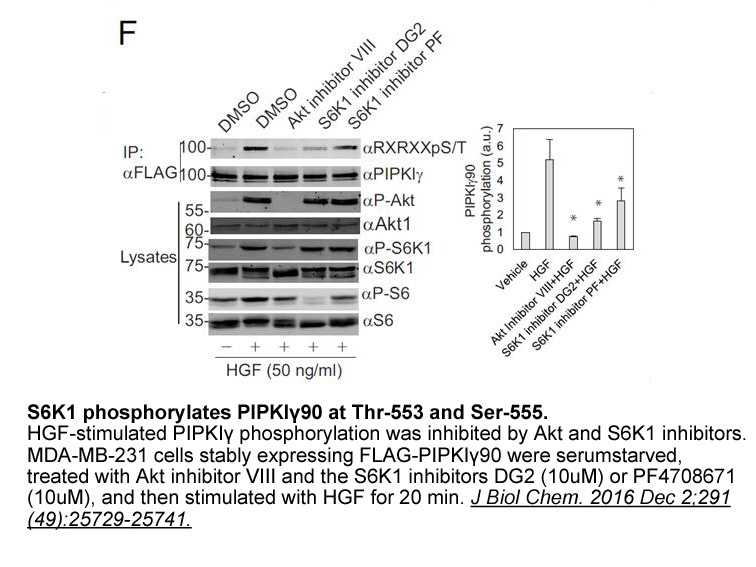
Considering the physicochemical stability results on Fig. 5, it was observed that the particles are stable when they are stored at 4 °C for 30 days. After day 30, a significant increase was observed in particle size, but at the end of the 90 days the SLN particle size is still below 100 nm. Stabilit
br Results br Discussion Although they do not have
2024-01-02
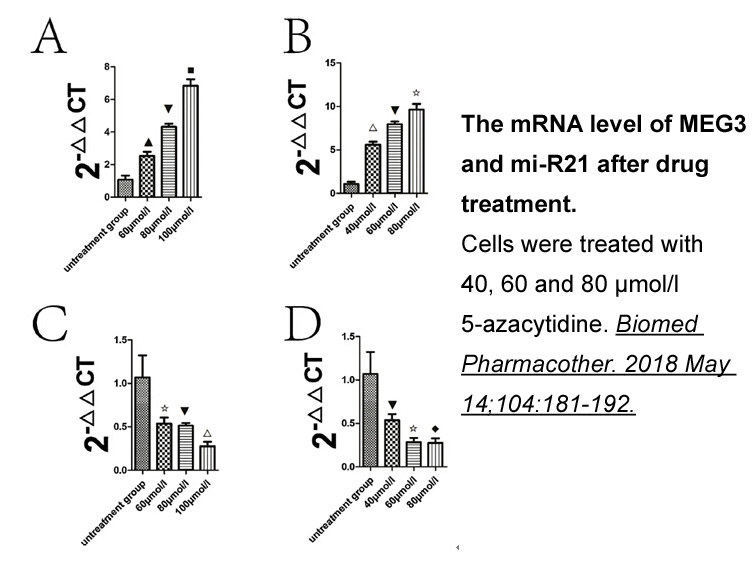
Results Discussion Although they do not have protein-coding capacity, lncRNAs make up a large part of the transcripts of the genome, and they play fundamental roles in carcinogenesis and osteosarcoma progression through regulation of tumor proliferation and metastasis. These lncRNAs include MA
Introduction Cancer which is responsible for
2024-01-02
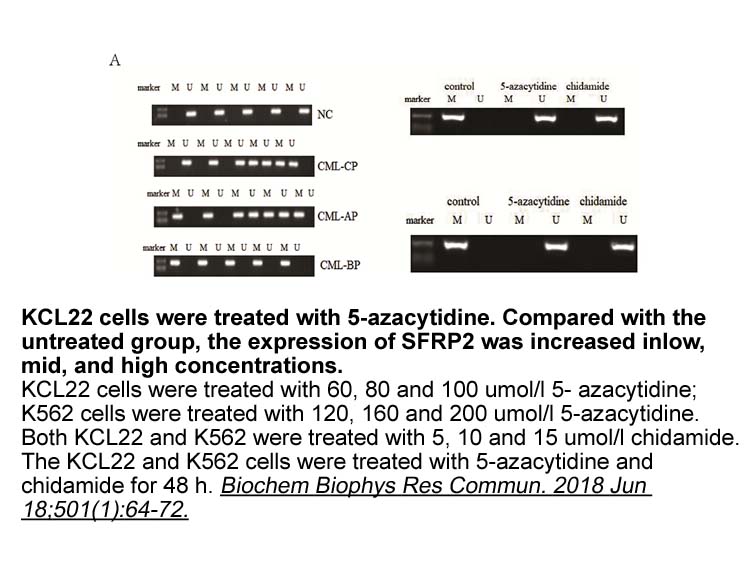
Introduction Cancer, which is responsible for a million deaths each year, is universally feared, and approximately 50% of newly diagnosed cases can be cured [1]. The existing cancer treatments, including surgery, chemotherapy, radiotherapy or a combination of them, are quickly losing efficacy. The
Furthermore low affinity sites that share no structural homo
2024-01-02
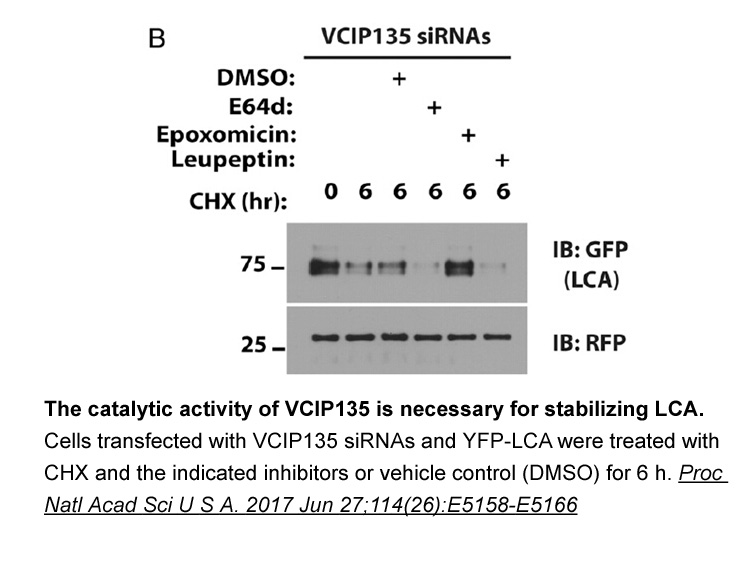
Furthermore, low-affinity sites that share no structural homology with the aforementioned sites have been described in the transmembrane domain. It has been discovered that, in α1βγ2 receptors, potentiation of GABA-activated currents by high concentrations of diazepam is biphasic, with a high- and a
These anatomical studies were followed by the first
2024-01-02
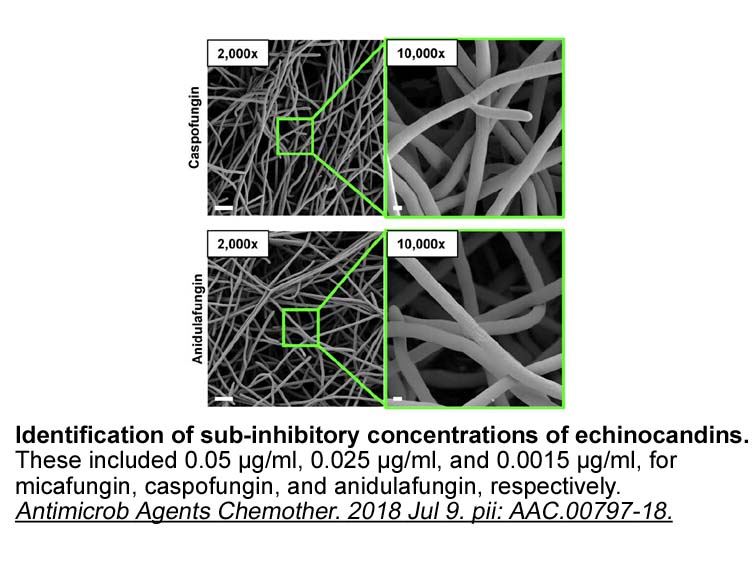
These anatomical studies were followed by the first functional MRI studies of auditory processing in songbirds that were performed in starlings (Van Meir et al., 2005; De Groof et al., 2017; De Groof et al., 2013b) and in zebra finches (Boumans et al., 2008a; Boumans et al., 2007; Boumans et al., 2
br Conflicts of interest br Introduction Arginase catalyzes
2024-01-02
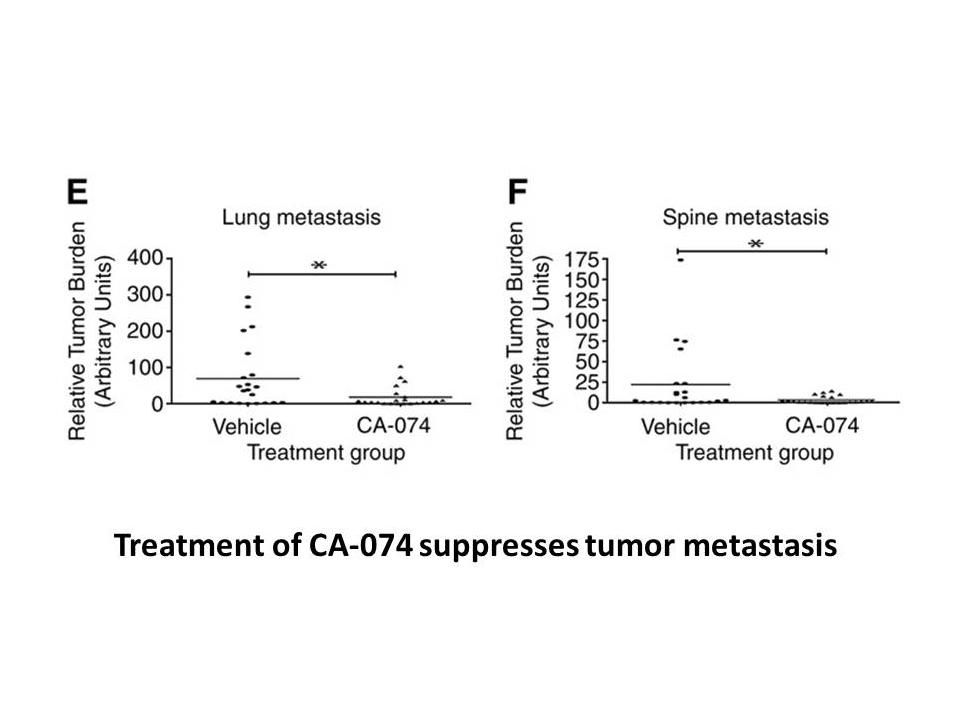
Conflicts of interest Introduction Arginase catalyzes the reaction in which l-arginine is converted to l-ornithine and urea. In humans, two arginase isoenzymes have been identified, arginase 1 and arginase 2, that differ in cellular location and tissue distribution [1]. Both arginase enzymes a
The accumulation of oxidized low density lipoprotein
2024-01-02
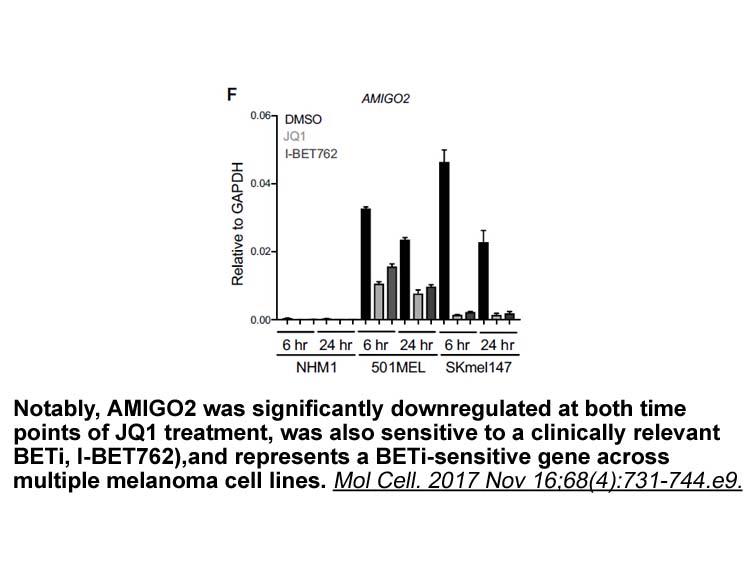
The accumulation of oxidized low-density lipoprotein (oxLDL) is one of the many causes of the initiation and progression of atherosclerosis (Virmani et al., 2002; Pirillo et al., 2013; Sun et al., 2016; Huang et al., 2016; Tabas, 2010). oxLDL-induced apoptosis of macrophages contributes to the forma
According to the present observations the Ampk
2024-01-02
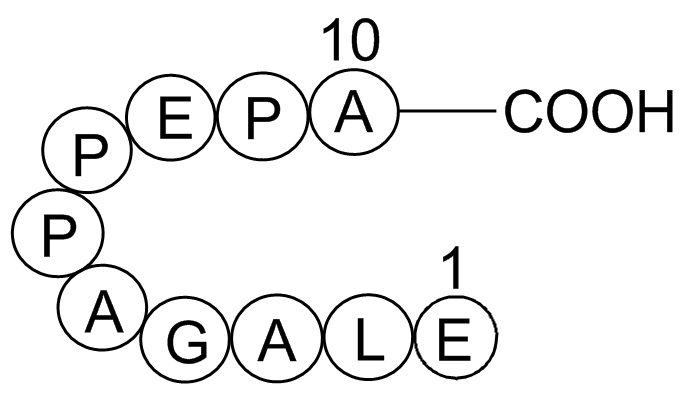
According to the present observations, the Ampkα1 isoform promotes AP-1 transcriptional activity and thereby fosters hyPerFUsion™ high-fidelity DNA polymerase of AP-1 target genes in cardiomyocytes via activation of Pkcζ. The transcription factor AP-1 plays a decisive role during cardiac remodeling
In spite of this unexpectedly
2024-01-02
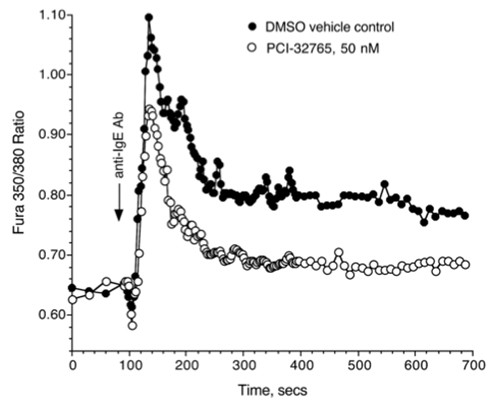
In spite of this, unexpectedly, after three-week cherry puree consumption no AC increase was observed, irrespective of the method used (Table 2). A statistically significant decrease of AC was even measured by LOX-FL and ORAC methods (−3.5% and −9%, respectively). Nevertheless, a much more evident d
Dose Response Studies Against Puromycin Sensitive Aminopepti
2024-01-02
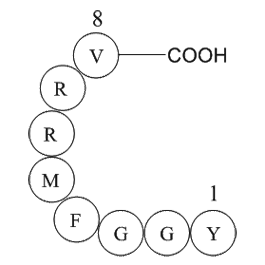
Dose–Response Studies Against Puromycin–Sensitive Aminopeptidase (PSA). PSA is a ubiquitous metallopeptidase encoded by the NPEPPS gene with subcellular distribution in the cytosol and nucleus [49]. Comprising of a 919 amino autophagy pathway sequence, it has a broad substrate specificity, and is r
Mechanisms implicated in antinociception by A
2024-01-02
Mechanisms implicated in antinociception by A3R agonists in neuropathic pain are summarized in Box 3. Cellular transduction mechanisms for A3Rs include inhibition of cyclic AMP, PKA via Gαi, interactions with PLC/IP3/DAG and signaling via Gαi and Gαq, and interactions with PI3K/MEK/ERK via βγ subuni
br A Rs which were
2024-01-02
A3Rs, which were cloned and then pharmacologically identified in the early 1990s, are expressed in multiple organs and peripheral tissues including Fenretinide involved in inflammatory responses (Gessi et al., 2008, Borea et al., 2014). While low levels are expressed in the CNS, A3R agonists prod
Two major categories of arginase inhibitors have been
2023-12-29
Two major categories of arginase inhibitors have been distinguished (Fig. 3): the first category comprises synthetic arginase inhibitors, which have been developed from the substrate l-arginine [35]; and the second category includes inhibitors derived from natural products [36]. The category of synt
8014 records 252/535 page Previous Next First page 上5页 251252253254255 下5页 Last page