Archives
- 2026-11
- 2026-10
- 2026-09
- 2026-08
- 2026-07
- 2026-06
- 2026-05
- 2026-04
- 2026-03
- 2026-02
- 2026-01
- 2025-12
- 2025-11
- 2025-10
- 2025-09
- 2025-03
- 2025-02
- 2025-01
- 2024-12
- 2024-11
- 2024-10
- 2024-09
- 2024-08
- 2024-07
- 2024-06
- 2024-05
- 2024-04
- 2024-03
- 2024-02
- 2024-01
- 2023-12
- 2023-11
- 2023-10
- 2023-09
- 2023-08
- 2023-06
- 2023-05
- 2023-04
- 2023-03
- 2023-02
- 2023-01
- 2022-12
- 2022-11
- 2022-10
- 2022-09
- 2022-08
- 2022-07
- 2022-06
- 2022-05
- 2022-04
- 2022-03
- 2022-02
- 2022-01
What can we learn about the
2023-10-17
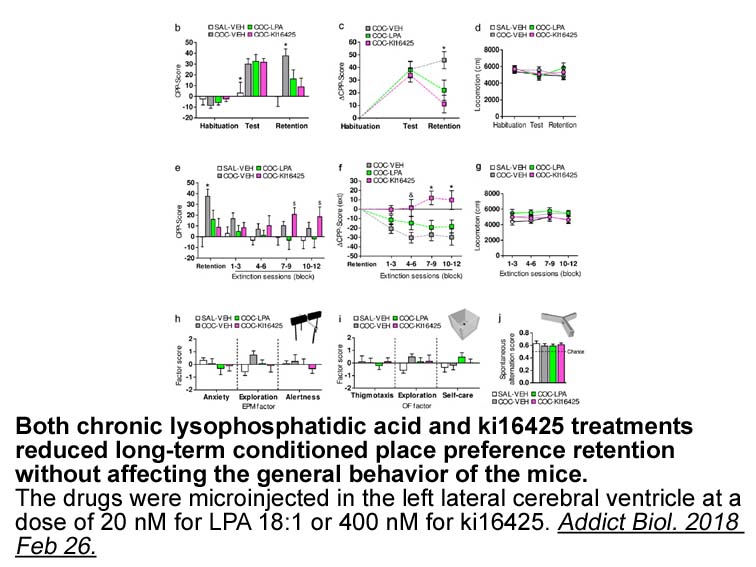
What can we learn about the anticancer therapeutic efficacy of Aurora kinase inhibitors from our experience with the Bcr-Abl inhibitors and the long term clinical consequence of their use in treating leukemias? As discussed, all Aurora kinase inhibitors developed to date are ATP-competitive inhibito
The inhibition of ACLY induces an anticancer effect that
2023-10-17
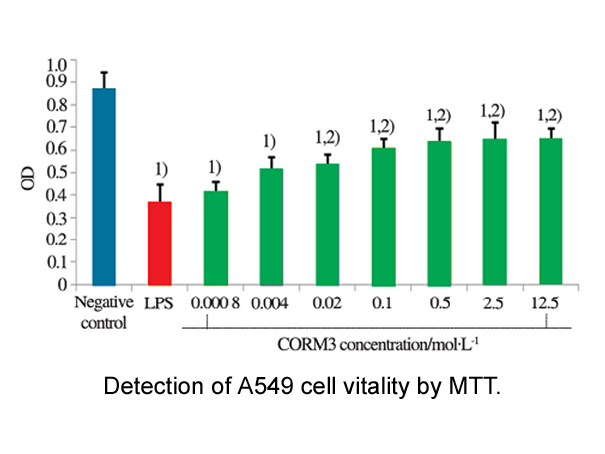
The inhibition of ACLY induces an anticancer effect that has been reported to be involved in mitochondrial reactive oxygen species (ROS) generation [14], [16], dual blockade of mitogen-activated protein kinase and phosphatidylinositol-3-kinase/AKT pathways [11], and the glycolytic phenotype of tumor
Another contributor for the G M arrest
2023-10-17
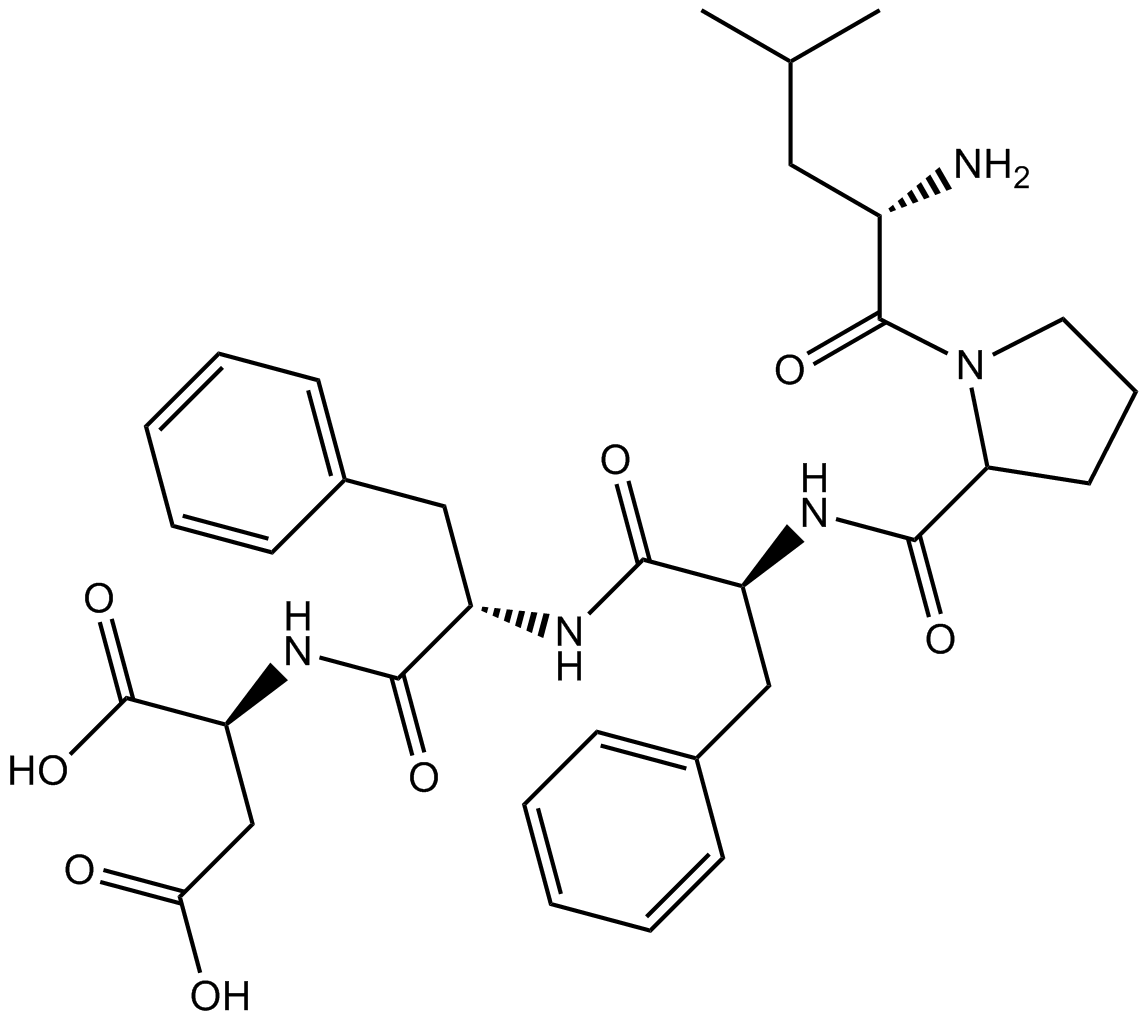
Another contributor for the G2/M arrest in A549 and H1299 cells might be p21WAF1/CIP1 which was up-regulated upon ovatodiolide treatment. p21WAF1/CIP1 is a common CDKs inhibitor which blocks OR-486 receptor G2/M phase progression in various types of cancer cells (Kim et al., 2015, Liberio et al., 20
Oocytes from the African clawed frog Xenopus laevis have bee
2023-10-17
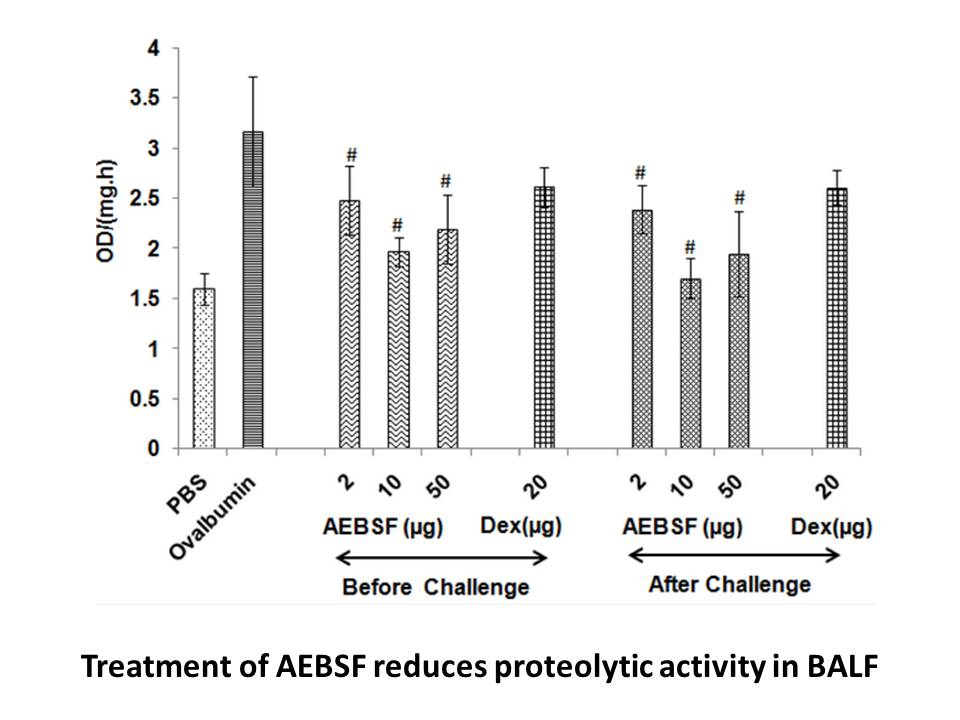
Oocytes from the African clawed frog Xenopus laevis have been widely used as an expression system to study the modulation of NMDA receptors by metabotropic receptors, such as metabotropic glutamate receptors [12], μ opioid receptors [13], insulin receptors [14] and serotonin receptors [15]. No data
A922500 Introduction Heterotrimeric G proteins mediate signa
2023-10-16
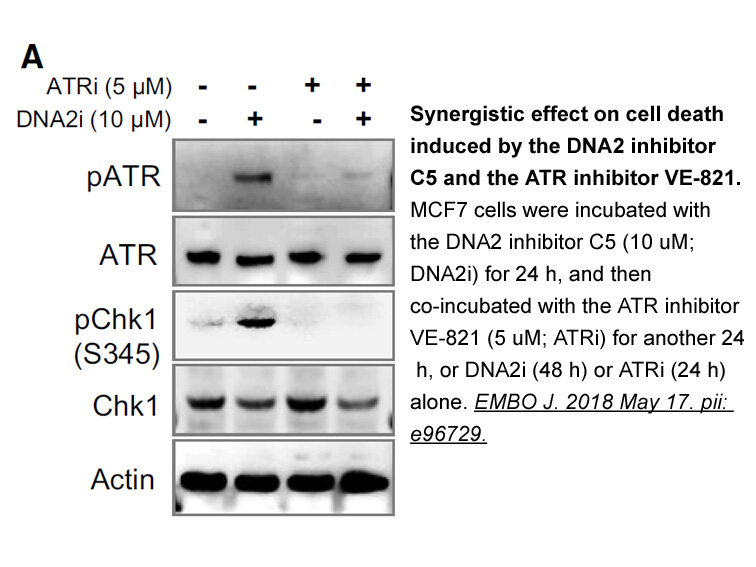
Introduction Heterotrimeric Gαβγ proteins mediate signal transduction through seven-transmembrane domain receptors. In response to neurotransmitters or hormones, activated receptors bind GTP via the Gα subunit leading to the dissociation of Gα from the Gβγ dimer. G proteins regulate the levels of s
Plant defensins are cysteine rich cationic
2023-10-16
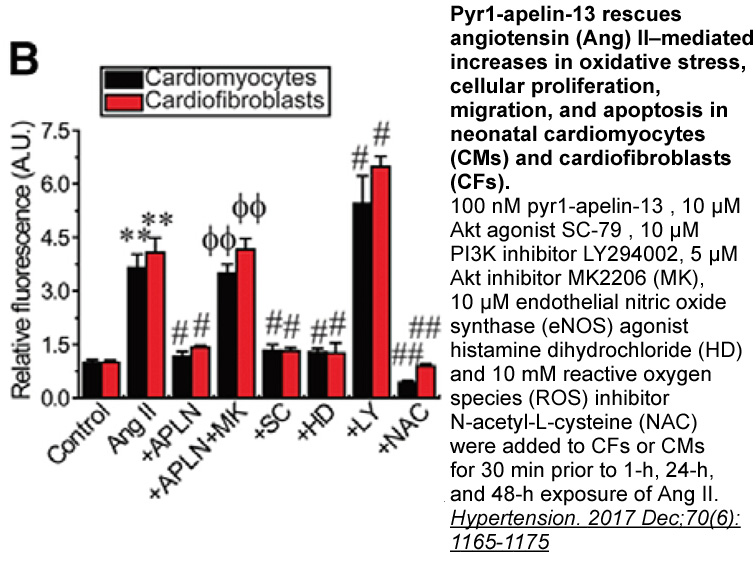
Plant defensins are cysteine-rich cationic peptides of 5–8 kDa whose mature domain comprises 45 to 54 amino trovafloxacin residues, with an isoelectric point around 9. The global fold of plant defensins consists of a cysteine-stabilized motif (CSα/β) made up of an α-helix and a triple-stranded β-sh
br Concluding Remarks and Future
2023-10-16
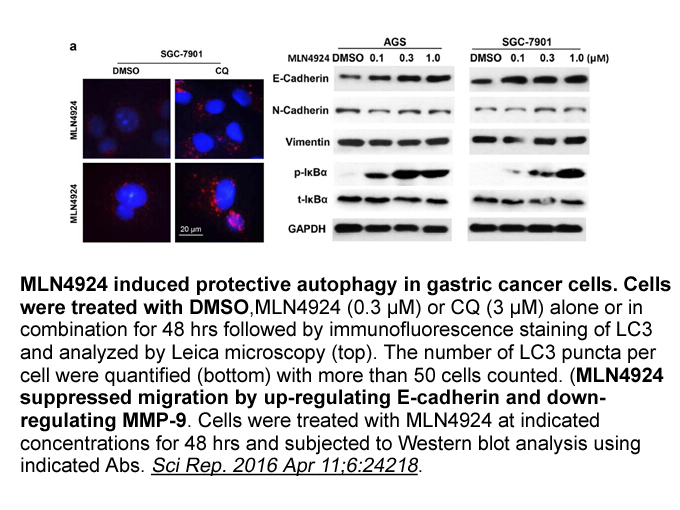
Concluding Remarks and Future Perspectives Fluorescent Xylometazoline HCl receptor have helped researchers to elucidate antibiotic MOA and off-target interactions, to screen for new antibiotics, to detect antibiotics in the environment, to track antibiotic uptake throughout cells and organisms,
Ac-IETD-pNA AR Vs are truncated AR proteins lacking the
2023-10-16
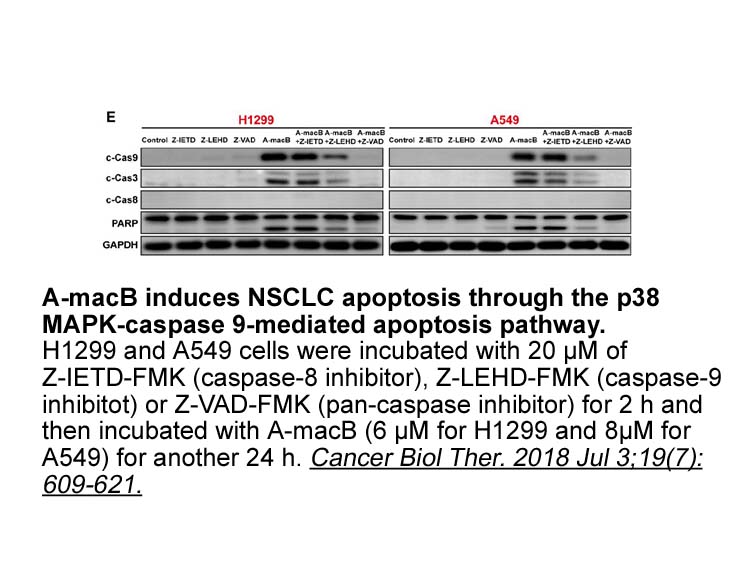
AR-Vs are truncated AR proteins lacking the AR ligand-binding domain (AR-LBD) [6]. While AR-Vs have frequently been detected in CRPC, their expression and functional role in benign prostate tissues and primary prostate cancers is not readily apparent. Structural rearrangements in the AR gene and alt
br Rapid nongenomic effects of corticosterone in an amphibia
2023-10-16
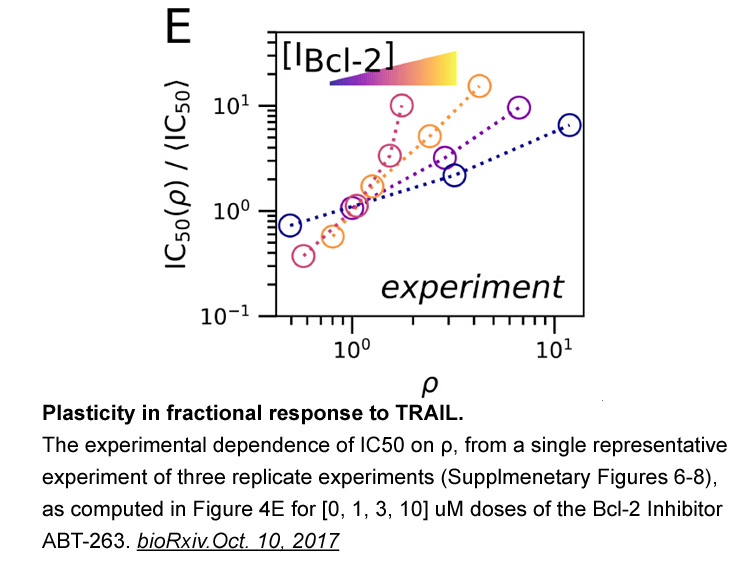
Rapid nongenomic effects of corticosterone in an amphibian model Studies in the model organism, the roughskin newt, Taricha granulosa, over 30 years ago led to the discovery that stress can rapidly (within minutes) suppress sexual behavior (amplectic clasping) of male T. granulosa, an effect that
br Experimental procedures br Results br Discussion
2023-10-16

Experimental procedures Results Discussion Acknowledgments Introduction β-Adrenergic receptors (β-ARs) belong to the superfamily of membrane proteins termed G protein-coupled receptors. β-ARs are distributed in the effector myosin inhibitor of most of the sympathetic nerve fibers, an
The mechanism by which Gas prevents
2023-10-16
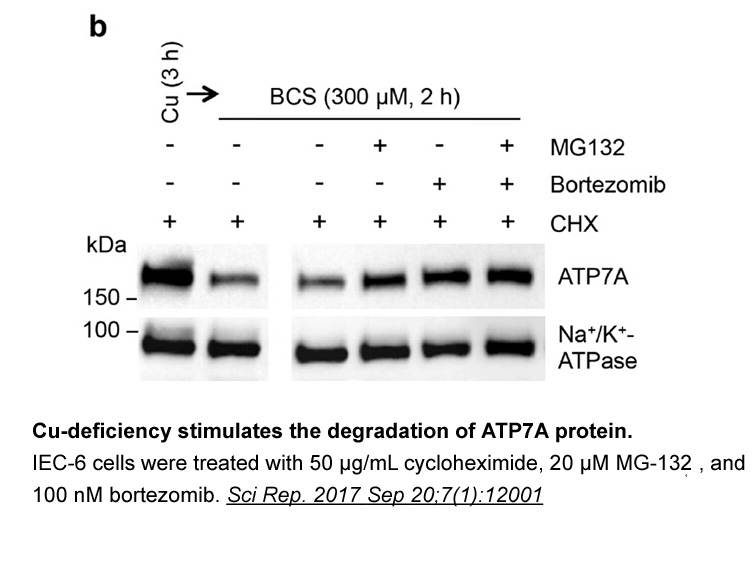
The mechanism by which Gas6 prevents inflammation has been reported to be via inhibition of Toll-Like receptors (TLRs) signaling (Cui et al., 2016). After injury, TLRs become stimulated, leading to downstream activation of TRAF3 and TRAF6 and translocation of several transcription factors, such as I
br Conclusion br List of abbreviations br
2023-10-16
Conclusion List of abbreviations Acknowledgment The studies performed by our laboratory and presented in this review were supported by the Ministry of Education, Culture, Sports, Science and Technology of Japan, (KAKENHI 17590618 [to H.I.] and KAKENHI 22249017 [to Y.Y.]), and the Japanese S
DRiPs also contribute to formation of protein aggregates tha
2023-10-16
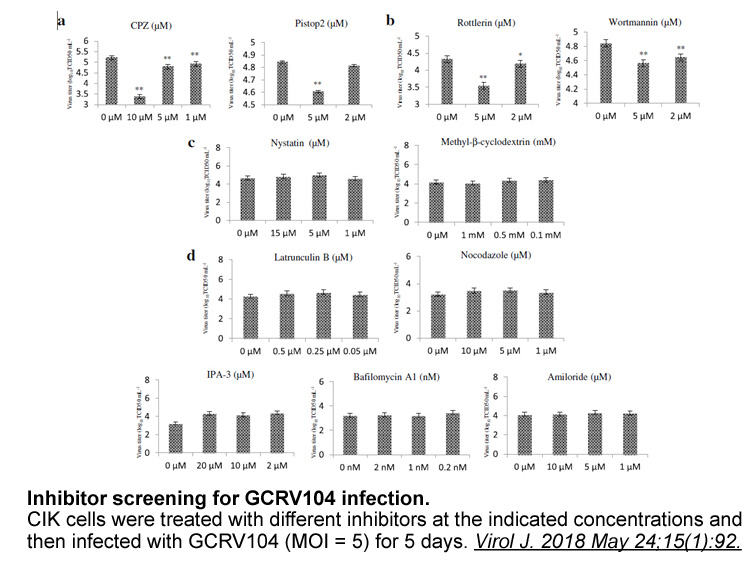
DRiPs also contribute to formation of protein ABT-737 that result from dysregulation of proteostasis, during which the proteolytic machinery is unable to process and degrade defective proteins (Tyedmers et al., 2010). Aggregation of poly-ubiquitinated proteins has been observed in different cell ty
Suspecting that ACL might regulate the expression or activit
2023-10-16
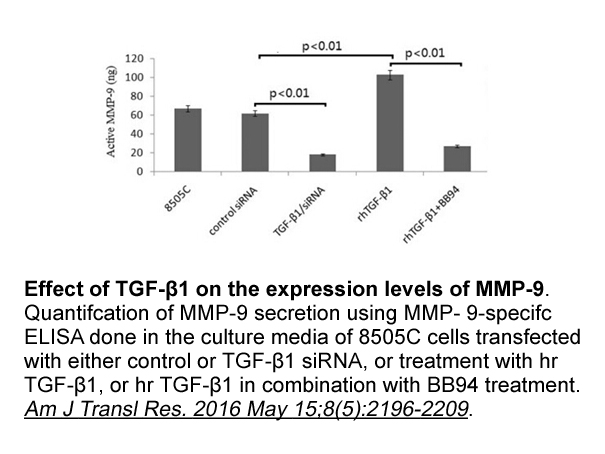
Suspecting that ACL might regulate the expression or activity of myogenic transcription factors, Das knocked down MyoD and found that such intervention abolished the effect of ACL on fast MyHC expression and that, conversely, MyoD overexpression partially rescued reduced fast MyHC expression caused
br Conclusion This is the first
2023-10-16
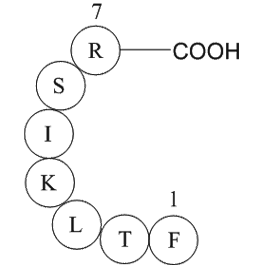
Conclusion This is the first report to show that treatment of lung cancer cell lines, A549 and H1299, with ovatodiolid stimulates intracellular reactive oxygen species generation and induces DNA damage. Subsequently activates ATM/ATR and CHK1/2 signaling pathway, inhibits CDC25C and p21WAF1/CIP1,
8015 records 296/535 page Previous Next First page 上5页 296297298299300 下5页 Last page